
Custom Embroidery Patches: The Complete Guide for Australian Businesses and Teams
Discover how custom embroidery patches can elevate your brand, uniforms, and merchandise. A practical guide for Australian businesses and teams.

Written by
Priya Kapoor
Branding & Customisation
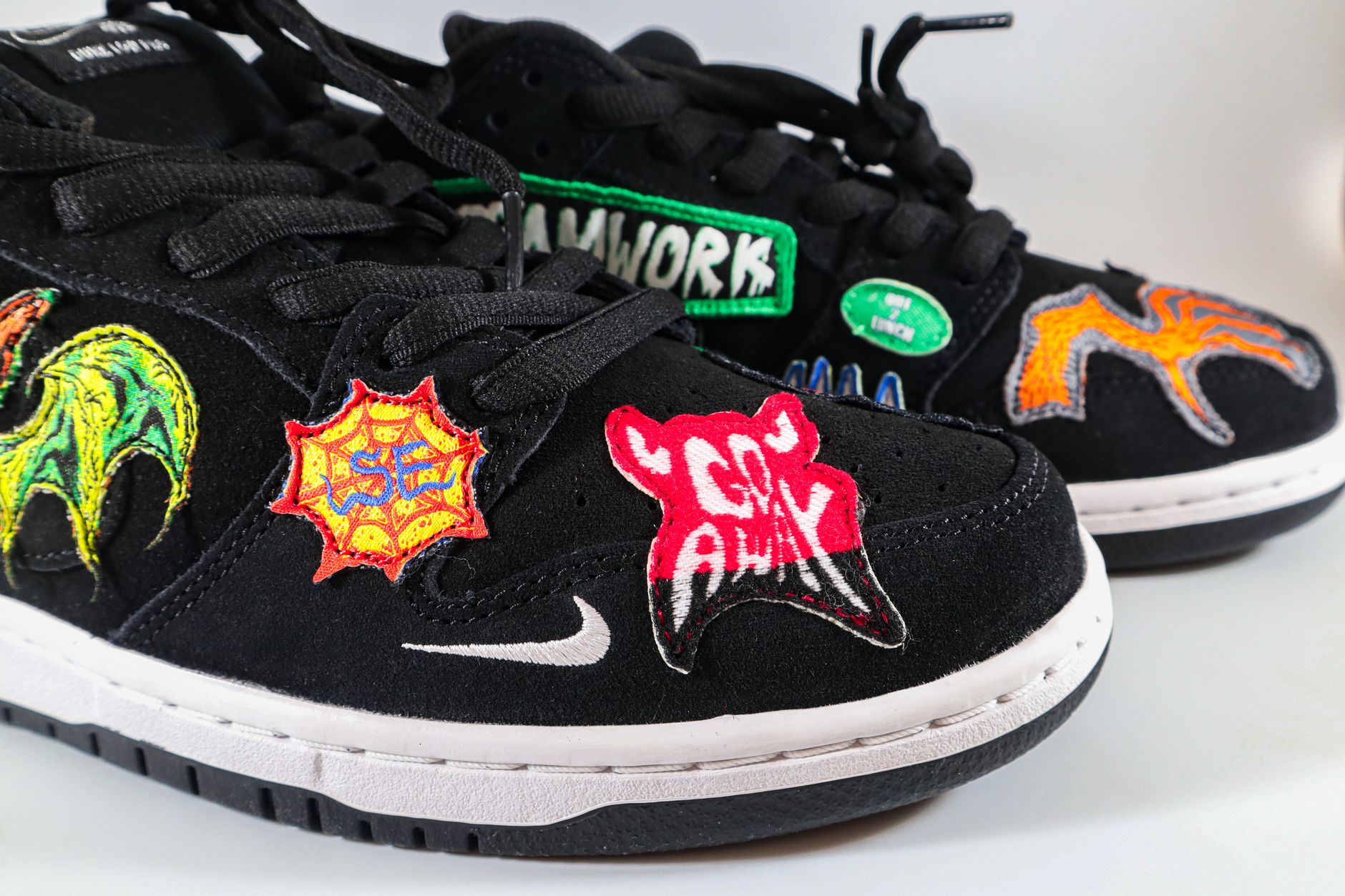
Custom embroidery patches have experienced a remarkable resurgence in recent years, and it’s easy to understand why. Once associated primarily with military insignia and scouting badges, these versatile decorative elements have firmly established themselves as a go-to branding solution for Australian businesses, corporate teams, sporting clubs, and event organisers alike. Whether you’re outfitting a Brisbane construction crew, kitting out a Melbourne hospitality team, or producing branded merchandise for a Sydney conference, custom patches offer a level of visual impact and perceived quality that’s genuinely difficult to match with other decoration methods. This guide covers everything you need to know — from design considerations and decoration techniques to ordering logistics and budget planning.
What Are Custom Embroidery Patches and Why Do They Work So Well?
At their core, custom embroidery patches are pre-made fabric pieces — typically embroidered with thread on a twill, felt, or woven backing — that can be attached to garments, bags, accessories, and more. Unlike direct embroidery, where designs are stitched straight onto a garment, patches are produced separately and then applied using heat-sealing adhesive, sewing, or Velcro.
This distinction matters enormously from a practical standpoint. Because patches are produced independently, they can be applied to virtually any surface — even materials that aren’t suitable for direct machine embroidery. Think leather jackets, nylon backpacks, canvas tote bags, denim, and high-visibility workwear. The flexibility is a significant advantage for organisations that need consistent branding across a diverse range of items.
From a visual standpoint, embroidery patches carry a premium, tactile quality. The raised thread texture, the crisp defined edges, and the satisfying weight of a well-made patch communicate craftsmanship and permanence. For brand purposes, that translates directly into perceived quality — an important consideration when you’re using merchandise to represent your organisation.
The Key Types of Custom Embroidery Patches
Understanding the different patch formats available will help you make better decisions when briefing your supplier:
- Embroidered patches – The classic option. Thread is stitched over a twill or felt background, typically achieving 50–100% thread coverage depending on the design. Ideal for logos, crests, and bold graphics.
- Woven patches – Produced on a loom rather than embroidered, woven patches can capture finer detail and smaller text with greater precision. A good choice when your logo contains intricate elements.
- PVC patches – Made from moulded soft rubber, PVC patches are weather-resistant and particularly popular for outdoor and workwear applications across Queensland and Western Australia where conditions can be harsh.
- Chenille patches – The fluffy, textured style associated with American varsity jackets. These have found a niche with sporting clubs and university groups seeking a retro aesthetic.
- Sublimated patches – Full-colour photographic-quality designs printed onto a fabric base. Useful when your artwork contains gradients or photography that traditional embroidery can’t replicate.
Design Considerations for Custom Embroidery Patches
Getting your design right before production begins is arguably the most important step in the entire process. Unlike some decoration methods where artwork changes can be made quickly, embroidery and patch production involves digitising your artwork — converting it into a stitch file that the machine can read. This process takes time and skill, and changes after digitising can incur additional costs.
Artwork Requirements
Most suppliers will require your logo or artwork in vector format — typically an AI, EPS, or high-resolution PDF file. If you only have a raster image (JPG, PNG), your supplier’s digitising team can often work with it, but expect the process to take longer and potentially cost more.
Keep these design principles in mind:
- Simplicity works in your favour. Fine lines, very small text (under 4mm in height), and complex gradients are difficult to reproduce accurately in embroidery. Simplifying your design for the patch format often produces a stronger result.
- Colour counts matter. Standard embroidered patches can accommodate multiple thread colours, but each additional colour adds complexity. Most suppliers work with Pantone (PMS) colour matching to ensure your brand colours are accurate — particularly important for corporate and government clients.
- Border and shape. Patches typically have a merrowed (overlocked) border or a heat-cut edge. The shape — whether circular, shield-shaped, rectangular, or custom die-cut — contributes significantly to the overall look and should be factored into your design brief.
Choosing the Right Size
Patch size depends heavily on the intended application. A chest pocket patch for a hospitality uniform might sit comfortably at 70–80mm wide, while a large back patch for a corporate jacket could extend to 200mm or more. If patches are destined for caps or small accessories, you’ll want to keep dimensions compact. Always request a physical sample or digital mock-up before approving bulk production — this is standard practice with reputable Australian suppliers.
Applications Across Australian Industries
One of the most compelling aspects of custom embroidery patches is their sheer versatility. They’re being put to work across an impressive range of sectors and use cases right across the country.
Corporate and Business Branding
For corporate teams, patches offer a smart alternative to direct embroidery on premium garments. If your team wears expensive merino wool jumpers or tailored blazers, applying a high-quality patch avoids the risk of damaging the fabric during direct stitching. A Canberra government department, for instance, might use patches on staff lanyards and notebook covers, creating consistent branding without committing to heavy garment decoration.
Patches also make excellent additions to corporate gift sets. Paired with a branded tote bag or a quality notebook, a well-designed patch adds a tangible, collectible element that recipients are more likely to keep and display. If you’re putting together end-of-year gifts for employees, a patch can be a surprisingly thoughtful touch.
Events and Conferences
Event merchandise is another area where patches shine. Conferences, trade shows, and corporate retreats often produce branded merchandise that attendees keep long after the event — and a quality patch attached to a bag or jacket extends the life of your brand visibility significantly. A Gold Coast industry conference, for example, might include a custom patch as part of a premium delegate bag, creating a keepsake that attendees genuinely want to hold onto.
Workwear and Safety Gear
In industries where workwear and PPE are mandatory, custom patches are a practical and durable branding solution. They adhere well to heavy-duty fabrics like cotton drill and canvas, withstand frequent washing, and maintain their appearance in tough environments. If your organisation operates across multiple sites or has staff in the field, patches can be applied consistently across hard hats and hi-vis garments as part of a cohesive uniform strategy. Their durability in outdoor and industrial settings makes them particularly well-suited to construction, mining, and logistics businesses operating across New South Wales, Queensland, and Western Australia.
Sporting Clubs and Associations
From Adelaide football clubs to Darwin rugby teams, sporting organisations have long used patches as a cost-effective way to create premium uniform elements. A custom crest patch applied to a jersey or training jacket creates a sense of identity and belonging that simple printed logos can’t always achieve. For clubs that update their uniforms infrequently but want to refresh their look, new patches can be applied to existing garments at a fraction of the cost of ordering entirely new kit.
Ordering Custom Embroidery Patches: Practical Logistics
Understanding the ordering process helps you plan your timeline and budget more accurately.
Minimum Order Quantities (MOQs)
MOQs for custom embroidery patches typically start at around 50–100 pieces, though this varies by supplier and patch type. PVC patches often have slightly higher MOQs due to the mould costs involved. If you’re ordering for a small team or a limited-edition event, it’s worth asking your supplier about sample runs or lower-quantity options, though you should expect unit costs to be higher at lower volumes.
Turnaround Times
Standard production timelines for custom patches in Australia generally run between 15 and 25 business days from artwork approval, with express options available for an additional fee. If your patches are being imported from overseas manufacturing, factor in additional lead time for shipping and customs clearance. For time-sensitive projects — trade shows, sporting finals, end-of-year functions — build a buffer into your planning and confirm turnaround expectations in writing with your supplier before committing.
Budgeting for Custom Patches
Pricing varies considerably based on size, complexity, thread count, and order volume. As a general guide, standard embroidered patches at volumes of 100+ pieces might range from approximately $3 to $8 per unit depending on specifications. Setup and digitising fees are often charged separately, typically in the range of $50 to $150, and are usually a one-off cost if you reorder the same design. For larger corporate orders or government procurement, always request a formal quote with itemised pricing.
Attachment Methods
When ordering, you’ll need to specify how patches will be applied. Common options include:
- Iron-on (heat-seal backing) – Convenient for smooth fabrics, though sewing is recommended as a secondary attachment for longevity.
- Sew-on – The most durable option, particularly for workwear and items subject to heavy use or frequent washing.
- Velcro backing – Popular for workwear, tactical gear, and situations where patches need to be swapped between garments.
- Self-adhesive – Suitable for promotional or temporary applications but not recommended for garments.
Sustainability Considerations
As Australian organisations increasingly commit to environmentally responsible practices, it’s worth asking your patch supplier about sustainable material options. Some manufacturers now offer patches made with recycled thread, organic cotton backings, or OEKO-TEX certified materials. While the eco-friendly patch market is still developing compared to other product categories, the options are growing — and specifying sustainable materials where possible aligns your merchandise with broader organisational values.
Conclusion: Key Takeaways for Custom Embroidery Patches
Custom embroidery patches are a remarkably versatile, durable, and visually impactful branding tool that Australian businesses and organisations can use across a wide range of applications — from corporate uniforms and event merchandise to workwear and sporting kits. Here’s a summary of the key points to carry forward:
- Choose the right patch type for your application. Embroidered, woven, PVC, chenille, and sublimated patches each have distinct strengths — match the format to your design and end-use.
- Invest in quality digitising. Your artwork file and the digitising process directly determine the quality of the finished patch. Provide vector artwork where possible and review a proof carefully before approving production.
- Plan your timeline carefully. Allow at least 15–25 business days for standard production, and communicate with your supplier early if you have a hard deadline.
- Consider attachment method from the outset. Iron-on, sew-on, and Velcro backings each suit different applications — factor this into your brief rather than as an afterthought.
- Think beyond garments. Custom embroidery patches work beautifully on bags, accessories, notebooks, lanyards, and promotional gift sets, making them a highly flexible component of your overall branded merchandise strategy.