
How to Choose the Right Corporate Wear Uniforms for Your Business Team
Discover how to choose corporate wear uniforms that boost your brand, suit your team, and stand up to daily use. Expert tips for Australian businesses.

Written by
Ryan Gallagher
Custom Apparel
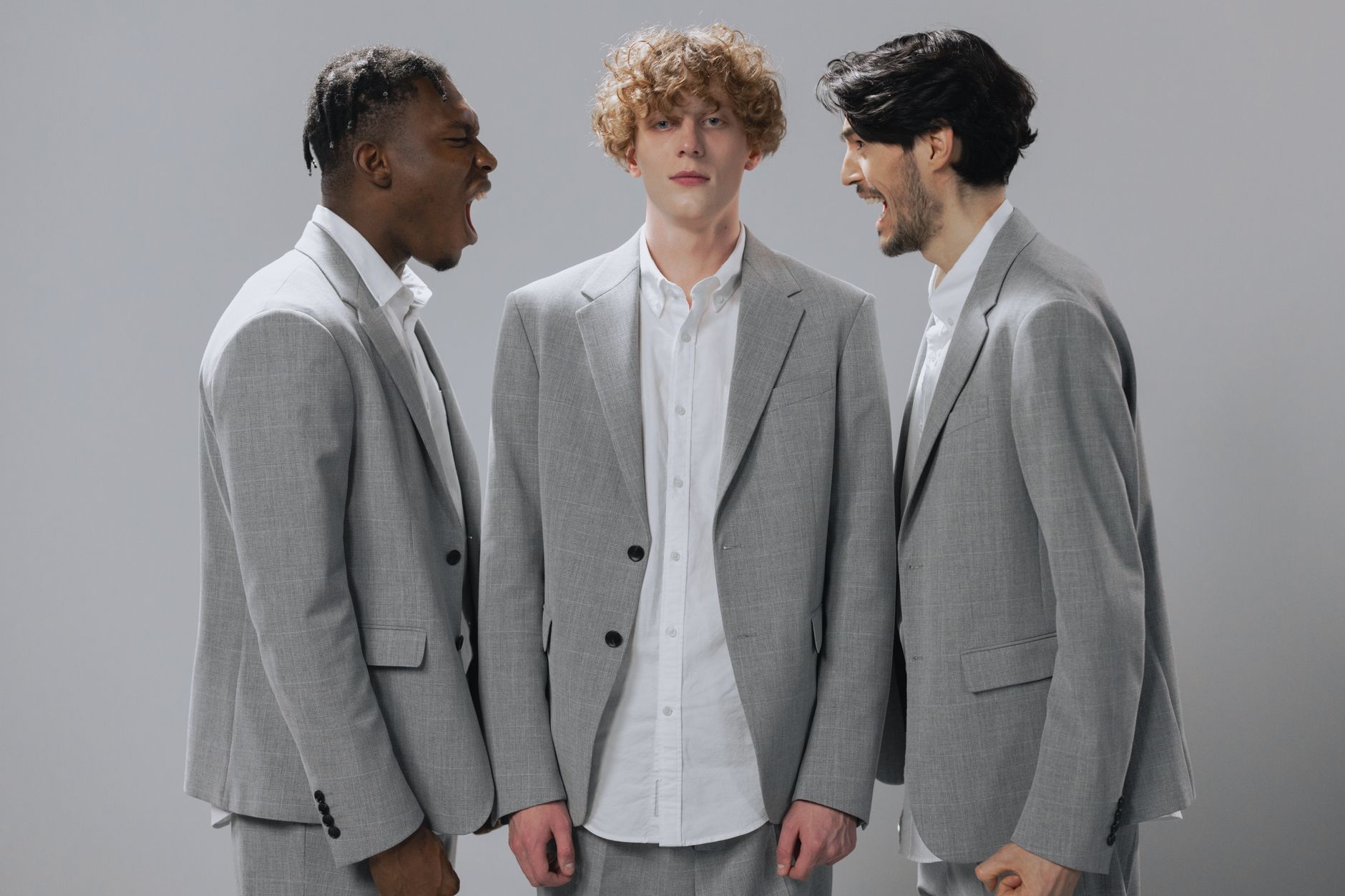
When your team walks into a room, what does their appearance say about your business? Corporate wear uniforms are far more than a dress code — they’re a powerful branding tool, a confidence booster for staff, and a visible signal to clients that your organisation is professional, cohesive, and worth trusting. Whether you’re outfitting a customer-facing sales team in Sydney, equipping a new Brisbane office, or refreshing the look of a Melbourne financial services firm, getting your corporate uniform strategy right from the start saves time, money, and a lot of headaches down the track.
Why Corporate Wear Uniforms Matter More Than You Think
It’s easy to dismiss uniforms as a purely functional concern — something you sort out once and forget about. But the reality is that well-designed corporate wear does a tremendous amount of heavy lifting for your brand.
Studies consistently show that uniformed employees are perceived as more competent and trustworthy by customers. For client-facing teams, that perception translates directly into confidence and credibility. Think about walking into a Perth real estate agency where the agents are all wearing matching branded polos versus one where everyone’s dressed differently — the impression is immediately different.
Beyond client perception, uniforms create a sense of unity among staff. Team members who wear the same colours and branding are shown to feel more connected to the organisation’s culture. It eliminates the daily mental load of deciding what to wear, reduces wardrobe inequality issues in the workplace, and ensures everyone represents the brand consistently — whether they’re at a client meeting in Adelaide or running a trade show stand on the Gold Coast.
Corporate wear also provides an ongoing marketing benefit. Branded uniforms worn during commutes, at lunch, or during client visits put your logo and colours in front of potential customers at no additional cost.
Understanding the Different Types of Corporate Wear Uniforms
Not all corporate wear is created equal. The right product category depends on your industry, your team’s daily activities, and the image you want to project.
Polo Shirts
Polo shirts are one of the most versatile options available for corporate uniforms. They strike the ideal balance between professionalism and comfort, making them popular across industries including real estate, healthcare administration, logistics, and retail management. Embroidered logos on polo shirts look sharp, durable, and distinctly premium compared to printed alternatives. For a Queensland mining services company wanting a smart but practical look, a custom embroidered polo in a branded colour is hard to beat.
Business Shirts and Blouses
For industries where a formal or semi-formal appearance is essential — law firms, accounting practices, government departments, or financial services — custom business shirts and blouses deliver a polished, corporate look. These are typically decorated with subtle embroidered logos on the chest pocket or collar area. The key here is fit and fabric quality, as poorly fitting shirts undermine the professional image you’re investing in.
Corporate T-Shirts
Corporate t-shirts work brilliantly in more casual or active environments. Tech startups, tradespeople on light-duty tasks, events and conferences, and warehouse administration teams often choose branded tees for their comfort and cost-effectiveness. Screen printing is typically the go-to decoration method for t-shirts, especially when ordering larger quantities. You can achieve vibrant, full-colour designs at a competitive price per unit — our guide to screen printing vs embroidery breaks down exactly when to use each method.
Hoodies and Fleece Jackets
For teams operating in cooler climates — Canberra and Hobart businesses know this well — branded hoodies and fleece jackets add practical warmth while keeping the uniform consistent across seasons. These are especially popular for outdoor events, sporting associations, and organisations that want a more casual, approachable team aesthetic.
Corporate Caps and Headwear
Often overlooked, caps and structured hats are a natural addition to outdoor corporate uniforms. Real estate agents conducting property inspections, construction site managers, and event staff all benefit from a branded cap. Embroidery is the standard decoration method for headwear, offering a clean and professional result that holds up across many washes.
Choosing the Right Decoration Method for Corporate Uniforms
The decoration method you choose directly affects how your branded uniforms look, how long they last, and how much they cost. Getting this decision right is essential.
Embroidery is the gold standard for corporate wear. It adds texture and dimension to logos, looks premium on polo shirts, business shirts, and caps, and holds up exceptionally well through repeated washing and heavy daily use. The trade-off is that very detailed or gradient-heavy logos don’t translate perfectly to thread, so simpler designs work best.
Screen printing is ideal for t-shirts and hoodies in bulk orders. It delivers bold, flat colour reproductions at a lower cost per unit, especially when you’re ordering 50 or more garments. Screen printing suits designs with fewer colours and works best on flat, smooth fabric surfaces.
Heat transfer and digital printing give you more flexibility with complex, full-colour artwork. These methods are suitable for smaller runs where screen printing setup fees would make the job uneconomical. If your Canberra government department needs a small top-up order of 15 branded polos, digital heat transfer may be your most cost-effective option.
For a deeper look at choosing between these options, check out our complete guide to decoration methods for branded apparel.
Key Factors to Consider When Ordering Corporate Wear Uniforms
With so many variables in play, approaching a corporate uniform order without a clear brief can lead to costly mistakes. Here are the most important factors to nail before you commit to an order.
Fabric Quality and Comfort
Your team will be wearing these garments for eight or more hours a day. Comfort is non-negotiable. Look for breathable fabrics like cotton or cotton-poly blends for warmer climates like Darwin or Brisbane. For cooler environments, heavier-weight fabrics or layering options like fleece are worth the investment. Always request fabric specifications from your supplier before confirming an order.
Colour Consistency and PMS Matching
If your brand has specific colour codes, make sure your supplier can match them accurately. PMS (Pantone Matching System) colour matching ensures your corporate red or navy looks consistent across every garment. Colour variations between print runs can look unprofessional if reorders don’t match your original batch — this is especially important for organisations with strict brand guidelines, like government departments or franchised businesses.
Minimum Order Quantities
Most corporate wear suppliers in Australia work with minimum order quantities (MOQs). For screen-printed t-shirts, MOQs typically start around 25–50 units. Embroidered polos can sometimes be ordered in smaller quantities — some suppliers will accommodate runs as low as 10–12 pieces — though the per-unit cost will be higher. Understanding MOQs upfront helps you plan your budget and avoid surprises. Our guide to minimum order quantities for branded merchandise has more detail on what to expect across product types.
Sizing and Fit
Corporate uniforms need to fit a diverse range of body types. Work with suppliers who offer an extended size range — ideally from XS to 5XL — and consider ordering a sample set to distribute to staff for fitting before committing to the full run. A Melbourne accounting firm that skips the sampling process and orders 80 shirts in standard sizes risks significant waste if the fit doesn’t work for all team members.
Turnaround Times
Standard turnaround for corporate uniform orders in Australia typically ranges from 10–20 business days, depending on quantity, decoration method, and supplier workload. If you’re ordering for a specific launch date, conference, or seasonal start, build in buffer time. Rush orders are usually possible but come at a premium. For time-sensitive projects, ask suppliers about express turnaround options early in the process.
Managing a Corporate Uniform Programme Long-Term
A one-off uniform order is one thing, but building a sustainable corporate wear programme that scales as your team grows is a different challenge altogether.
Consider establishing a consistent uniform catalogue — a defined set of approved garments in your brand colours that employees can choose from based on their role. This simplifies reorders, maintains visual consistency, and makes onboarding new staff straightforward.
Setting up a reorder process with a trusted supplier means you’re not starting from scratch every time you hire. Keeping records of your artwork files, PMS codes, and garment specifications makes reorders faster and ensures colour and quality consistency over time.
Some larger organisations opt for a uniform allowance system, where staff receive a set budget to order their own uniforms through a managed online portal. This approach works particularly well for national organisations with staff across multiple Australian states and territories.
For event-specific uniform needs that sit alongside your everyday corporate wear, it’s worth reading our tips for ordering custom event staff uniforms to understand how the requirements differ from day-to-day corporate workwear.
You may also want to explore complementary branded merchandise that pairs well with your uniform programme — items like custom lanyards and ID holders, branded tote bags, and custom drinkware that extend your brand identity beyond the garments themselves.
If sustainability is a priority for your organisation, our guide to eco-friendly branded apparel covers what to look for in recycled fabrics and ethical supply chains — increasingly important for Australian businesses with ESG commitments. Similarly, organisations in sectors like construction or logistics should explore our overview of hi-vis and safety workwear to understand how branded workwear intersects with safety compliance requirements.
Finally, if you’re working through the entire procurement process for the first time, our step-by-step guide to ordering branded merchandise and our checklist for reviewing artwork proofs will help you avoid the most common ordering mistakes.
Conclusion: Getting Corporate Wear Uniforms Right From the Start
Investing in quality corporate wear uniforms pays dividends well beyond the upfront cost. When your team looks cohesive, professional, and on-brand, it builds trust with clients, strengthens internal culture, and puts your brand in front of more people every single day.
Here are the key takeaways to keep in mind as you plan your corporate uniform order:
- Choose garments that suit your industry and environment — comfort and practicality matter just as much as appearance, particularly for teams in physical or client-facing roles.
- Select the right decoration method for your design and budget — embroidery for a premium, durable finish; screen printing for cost-effective bulk orders; digital methods for smaller, complex artwork runs.
- Prioritise colour accuracy — use PMS matching and request pre-production samples to ensure your brand colours are consistent across every garment and every reorder.
- Plan for the long term — establish a uniform catalogue, keep your artwork files on record, and build a reorder process so your corporate wear programme scales smoothly as your team grows.
- Don’t skip sampling — a small investment in a sizing sample set before placing a large order can prevent significant waste and staff dissatisfaction.
Corporate wear uniforms done well reflect the professionalism and values of your entire organisation. Take the time to plan thoughtfully, work with experienced suppliers, and you’ll end up with a uniform programme your team is genuinely proud to wear.