
How to Build a Memorable Coffee Cup Brand with Custom Promotional Drinkware
Discover how Australian businesses can build a standout coffee cup brand using custom promotional drinkware. Tips on products, decoration, and ordering.

Written by
Callum Drake
Drinkware
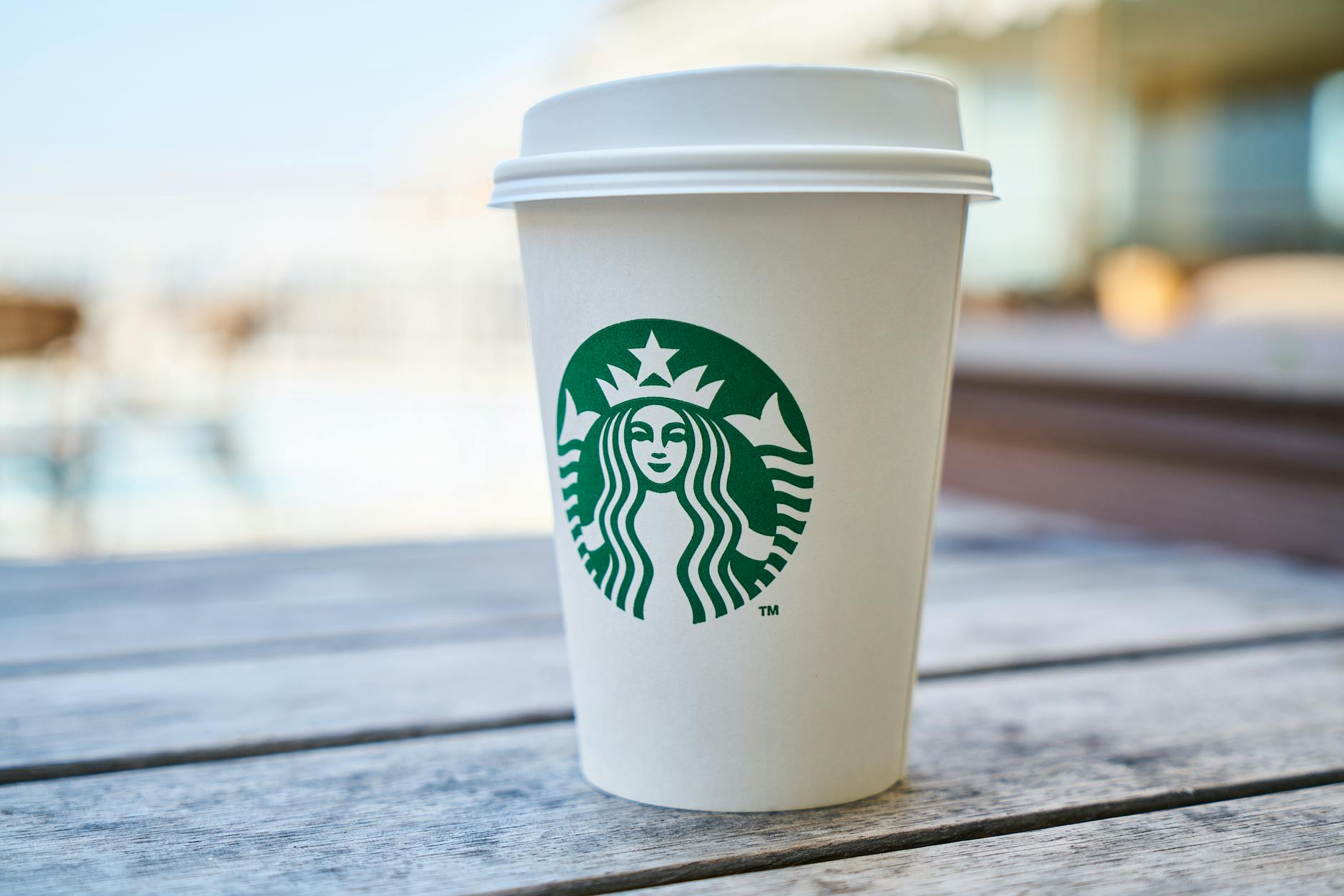
There is something quietly powerful about a well-branded coffee cup sitting on a desk in a busy Sydney CBD office or being carried through a Melbourne laneway café. Every time someone reaches for their drink, they engage with your brand — no screen, no algorithm, no paid placement required. For Australian businesses, corporate teams, and event organisers looking to make a lasting impression, building a strong coffee cup brand through custom promotional drinkware is one of the smartest investments you can make. The question isn’t whether to do it — it’s how to do it well.
Why a Coffee Cup Brand Delivers Outstanding ROI
Branded drinkware consistently ranks among the top-performing promotional product categories, and for good reason. Unlike a flyer that gets discarded or a digital ad that disappears in seconds, a quality keep cup or branded mug is used daily. It earns repeated impressions over months, sometimes years, for a relatively modest upfront cost.
According to data explored in our overview of promotional drinkware industry statistics in Australia, branded cups and bottles are among the most retained promotional items Australian consumers hold onto. People keep drinkware because it is genuinely useful — and that utility is exactly what makes it such an effective branding vehicle.
Consider a Brisbane-based accounting firm that gifts branded ceramic travel mugs to its top 50 clients each financial year. Every morning commute, every 9am team meeting, every coffee break becomes a brand touchpoint. The cumulative exposure from a single mug over twelve months far outweighs the cost of producing it.
Beyond retention, drinkware creates public visibility. Your coffee cup brand travels — to offices, cafés, gyms, train stations, and everything in between. That organic, out-of-home exposure is extraordinarily difficult to replicate through digital marketing alone.
Understanding the Types of Custom Coffee Cups Available
Before committing to a product, it’s worth understanding the range of options available in the Australian market. The category is broader than most people initially expect.
Keep Cups and Reusable Takeaway Cups
Reusable keep cups have become a cultural staple across Australia, particularly in Melbourne, Sydney, and Brisbane where café culture runs deep. Custom keep cups can be produced in glass, ceramic, silicone, or plastic variants, with silicone sleeves and lids often offering additional decoration real estate for your logo.
These are ideal for environmentally conscious brands, sustainability initiatives, or any organisation that wants to align itself with responsible consumption. Many councils and government departments in South Australia and Victoria have used branded keep cups as part of broader waste reduction campaigns.
Ceramic and Enamel Mugs
Classic ceramic mugs remain a go-to for office environments, conference gifts, and staff onboarding packs. They are cost-effective to produce in bulk, accept full-colour decoration readily, and feel premium when paired with quality printing or a custom colour glaze.
Enamel mugs have experienced a resurgence in popularity, particularly for outdoor brands, hospitality businesses, and events with a rustic or adventure aesthetic. They photograph beautifully and have strong appeal as event merchandise for festivals and trade shows.
Double-Wall Vacuum Flasks and Travel Mugs
For premium corporate gifting, double-wall stainless steel travel mugs sit at the top of the drinkware hierarchy. They keep drinks hot or cold for extended periods, and they carry a perceived value that elevates your coffee cup brand in the eyes of the recipient. These are particularly well-suited to executive gifts, high-value client presentations, or conference gift bags where quality needs to speak for itself.
Takeaway Paper Cups with Custom Printing
For café owners, event organisers, and food and beverage businesses, custom printed paper cups are a different but equally important expression of a coffee cup brand. If you run a hospitality venue, your cup design is your brand walking out the door with every customer.
Decoration Methods: Getting Your Logo Right
The way your logo is applied to a cup matters enormously. The wrong decoration method can result in fading, peeling, or a print that simply doesn’t look professional — which defeats the entire purpose.
Understanding your options starts with knowing the material you’re decorating. Our breakdown on spot colour vs full colour printing for promotional items is a useful reference point when deciding between print methods for drinkware.
Pad printing is one of the most common methods for hard-surface drinkware like mugs and travel cups. It handles curved surfaces well and is cost-effective for single or two-colour logos at larger volumes.
Sublimation printing allows for full-colour, all-over decoration — great for vibrant, photographic designs or complex artwork. It bonds directly to the surface rather than sitting on top, meaning it won’t crack or peel. However, sublimation works best on white or light-coloured mugs with a polymer coating.
Laser engraving produces a sophisticated, permanent finish particularly suited to stainless steel travel mugs and enamel cups. There’s no ink involved — the laser removes the surface coating to reveal the metal beneath, creating a tactile, premium result. For anyone interested in the technical side of this process, our article on rotary engraving bit selection for metal promotional items offers deeper insight into how engraving decisions affect the final outcome.
Embossing or debossing is less common on drinkware but occasionally used on silicone sleeves or cup bases for a subtle branded touch.
Choosing the Right Coffee Cup Brand Strategy for Your Organisation
A clear strategy helps you get more from your drinkware investment. Rather than simply slapping a logo on the cheapest mug available, think deliberately about what you want your coffee cup brand to communicate.
Matching the Product to Your Audience
A Perth mining company giving away branded keep cups at an industry safety expo has different needs to a Hobart food festival selling merchandise at the gate. An Adelaide university issuing welcome packs to new students wants something different again from a Darwin real estate agency gifting mugs to new clients.
Think about:
- Who will receive the item? Consumers, employees, clients, or event attendees all have different expectations.
- How will it be used? Daily commuter use demands durability. Conference use may prioritise aesthetics and packability.
- What image do you want to project? Premium stainless steel projects quality. A reusable keep cup projects environmental responsibility.
Aligning with Broader Promotional Campaigns
Drinkware rarely performs in isolation. It tends to punch hardest when it forms part of a cohesive branded merchandise strategy — think conference bags that include a travel mug and a notebook, or a corporate welcome gift set with a keep cup alongside a custom power bank and a branded pen. If you’re organising events that include multiple product types, understanding promotional product effectiveness by industry sector can help you prioritise where your budget delivers the best return.
Practical Ordering Tips: MOQs, Timelines, and Budget
Getting your coffee cup brand right means understanding the practical realities of the ordering process.
Minimum order quantities (MOQs): Most custom drinkware suppliers in Australia have MOQs ranging from 24 to 100 units depending on the product type. Ceramic mugs often start at 24–36 pieces. Premium stainless steel travel mugs typically have MOQs of 25–50 units. Keep cups and custom glassware can vary more widely.
Turnaround times: Standard production and delivery in Australia typically takes 10–15 business days once artwork is approved. For events or campaigns with firm deadlines — think EOFY, a trade show, or a product launch — always allow extra buffer time. Rush options are available with most suppliers but come at a premium.
Setup fees: Most decoration methods involve a one-off setup or screen fee, typically between $50 and $120 per colour or position. This is amortised across larger orders, so the unit cost drops considerably as volume increases.
Artwork requirements: Suppliers generally require vector files (AI, EPS, or high-resolution PDF) for pad printing and screen-based methods. For embroidery on cup sleeves or tote bag inclusions, a DST or EMB file may be needed. Provide your Pantone PMS colour references where colour accuracy is critical for your coffee cup brand identity.
Budget benchmarks: Branded ceramic mugs can be sourced from around $5–$12 per unit at reasonable quantities. Double-wall stainless steel travel mugs typically sit in the $18–$40 range depending on spec and volume. Keep cups with custom branding generally fall between $10–$25 per unit.
Pairing Drinkware with Complementary Branded Products
Smart organisations pair their drinkware with complementary items to create a richer brand experience. A branded mug alongside a custom reusable shopper bag makes a thoughtful gift set for sustainability-focused campaigns. For kitchen and homewares brands, pairing drinkware with promotional cutting boards creates a cohesive lifestyle gift bundle that feels premium and considered.
Stationery items like branded notebooks and lanyards are natural companions for corporate gift packs, while tech items such as branded USB thumb drives and portable chargers are perennial conference favourites. Even seasonal campaigns can benefit from aligned product pairings — for example, spring promotions that combine branded keep cups with spring branded garden kits.
Compliance and Quality Considerations
When ordering drinkware intended for food and beverage contact, product safety matters. Ensure your supplier can confirm compliance with relevant Australian standards, particularly for items intended for school audiences or vulnerable populations. Our guide to promotional product compliance and safety standards in Australia covers the key considerations to review before placing your order.
Look for BPA-free materials, food-grade silicone, and non-toxic inks when ordering cups that will be in direct contact with beverages. This is especially important for reusable keep cups and insulated travel mugs.
Key Takeaways
Building a standout coffee cup brand through custom promotional drinkware is one of the most effective long-term investments an Australian business can make. Here’s what to remember:
- Choose the right product for the right audience — a premium stainless steel travel mug speaks differently to recipients than a budget ceramic mug, and both have their place depending on your goals.
- Match your decoration method to the material — sublimation for vibrant all-over designs, laser engraving for premium metal finishes, pad printing for cost-effective multi-unit runs.
- Plan ahead with timelines and artwork — standard turnaround is 10–15 business days, and setup fees should be factored into your per-unit budget calculations.
- Think strategically about pairings — drinkware performs best when it forms part of a broader merchandise pack or campaign, creating a cohesive brand experience.
- Don’t overlook compliance — particularly for food-contact items, ensure your supplier can verify Australian safety standards are met before committing to an order.
A coffee cup brand isn’t just about putting a logo on a mug. It’s about creating a daily, functional touchpoint between your organisation and the people who matter most to it. Get it right, and you’ve created one of the most enduring forms of brand communication available to any Australian business.